
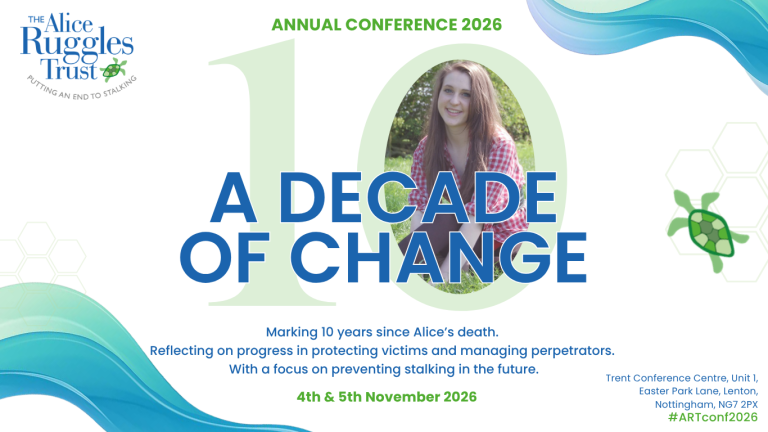
About our conferences


Keynote speakers
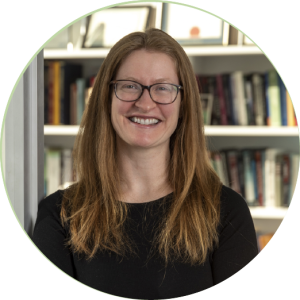
Professor Troy McEwan
Troy is Professor of Clinical and Forensic Psychology at Swinburne University in Australia and a Principal Psychologist at the Victorian Institute of Forensic Mental Health (Forensicare). In addition to her research and clinical work, Troy has consulted to government and police in Australia, the United Kingdom, and Europe on the topics of stalking, grievance-fuelled violence, and family violence.
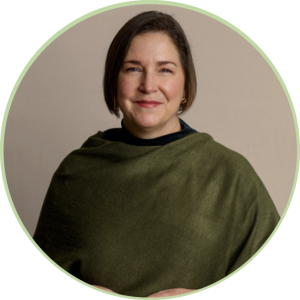
Dame Nicole Jacobs
Dame Nicole was appointed the first Domestic Abuse Commissioner for England and Wales in 2019. She has dedicated her career to supporting victims and survivors, with nearly 30 years’ experience in domestic abuse services, policy, and intervention. As Commissioner, she is committed to championing the voices of survivors and is focused on driving forward the improvements needed to transform the national and local response to domestic abuse.
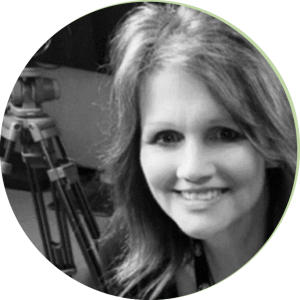
Professor Jane Monckton-Smith
Jane is Professor of Public Protection at the University of Gloucestershire. Her theoretical framework for tracking homicide risk in cases of coercive control and stalking has had wide international impact. Her work includes consultancy on cold and current homicides or suicides, cases of coercive control and stalking, expert witness reports, and training professionals in risk and threat escalation patterns.
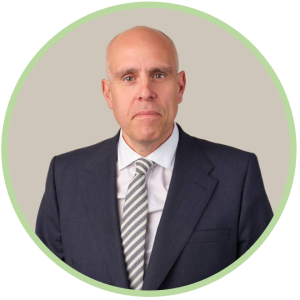
Richard Wright KC
Richard Wright KC is Head of Chambers at Park Square Barristers in Leeds. He is considered to be one of the UK's foremost experts in criminal law and has specialised in homicide and manslaughter cases, including acting as the prosecutor in Alice’s murderer’s trial. With extensive experience in stalking cases, he was appointed by the Home Office to lead the independent review of stalking legislation, delivering his recommendations to the government in April 2026.
Other presenters and panellists

Demelza
Demelza is Head of Safeguarding and Violence Against Women and Girls (VAWG) at The Cyber Helpline, where she leads strategic initiatives to protect victim survivors of cyber harms and improve responses to technology-enabled abuse. She is a cybersecurity and advocacy services specialist with over a decade of experience in the charity and support sector, and regularly commentates on cyberstalking, fatal abuse, online coercive control, digital safety, and emerging trends in technology-facilitated abuse.
Louise
Louise is the Chief Operating Officer at Paladin National Stalking Advocacy Service. During her time at Paladin over the last 8 years, Louise has worked as an ISAC, young people’s coordinator, and now manages the team. Louise has worked in the domestic abuse and stalking sector for the past 20 years, with experience of working with young people and communities for over 30 years.
Sherish
Sherish is the Training and Group Work coordinator for Paladin NSAS. A qualified ISAC, her role mainly entails training professionals in stalking and supporting victims of stalking through case work and group work. She has worked for 16 years in the VAWG sector, across a variety of roles with both victims and perpetrators of domestic abuse and stalking.
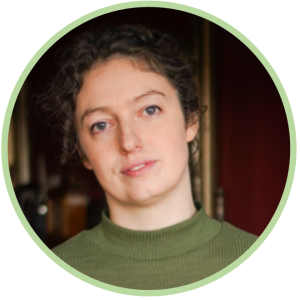
Ciara Barrett Smith
Ciara leads WWIN's Findaway project, which runs the UK’s first dedicated helpline for the family and friends of domestic abuse victims. Ciara led the development of Findaway to address the gap in support for informal supporters and to highlight the critical role they play in tackling abuse.

Freya Børresen
Freya is a Senior Researcher within the Home Office Policy and Innovation Lab ('CoLab'). with experience of working on sensitive topics with vulnerable populations. She recently co-led a project to design the upcoming Stalking Disclosure Scheme and accompanying decision-making aid through research with police forces, practitioners, civil society, and victim-survivors.
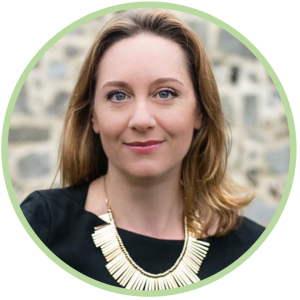
Dr Kirsty Butcher
Kirsty is a Principal Clinical Psychologist and Clinical Lead for the Hampshire Multi-Agency Stalking Partnership (MASP), where she has led the development of award-winning psychological responses to stalking since 2018. Across a career spanning more than 20 years in NHS forensic mental health services, she has specialised in the assessment, formulation and treatment of individuals who present significant risk to others.
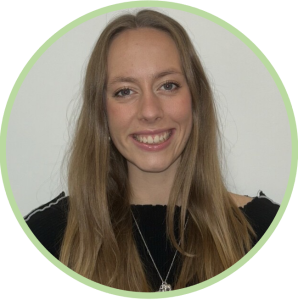
Allegra Deverell-White
Allegra is a Senior Policy Adviser at the Home Office, where she leads on national stalking policy in the Violence against Women and Girls Policy team. She previously served as a policy officer in the Department of Health and Social Care.
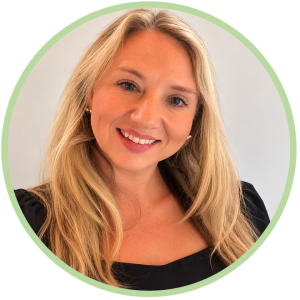
Sarah-Louise Edwards
Sarah-Louise is the Managing Director of Alice Ruggles Trust and leads on all of the training delivery and primary prevention work at the Trust. She has worked in every layer of front-line domestic abuse and stalking support service delivery over the last 21 years, from a Children’s Refuge support worker through to Head of Operations at national charities and VAWG lead for an OPCC where she led on their strategy and delivery.
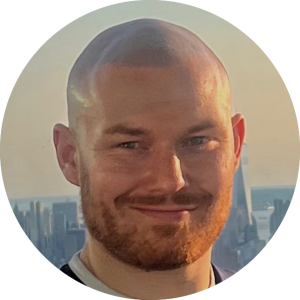
Dr Matthew Faulder
Matt is a Clinical Psychologist working in the North Northamptonshire Community Psychology Team for the Northamptonshire NHS Foundation Trust (NNFT). He has 3 years' experience in forensic work, including probation services, secure hospital settings and forensic CAMHS. His recent research has focused on professionals’ experiences of working with adolescent stalking, the impacts of parental stalking experienced in childhood, and the care pathways and treatment of young adults (aged 18–25).
Sarah Fox
Sarah is a Senior Service Designer within the Home Office Policy and Innovation Lab ('CoLab'), where she uses innovative approaches to design person-centred policies and services, with a focus on crime and justice. Sarah has also worked on the redesign of mental health, education, and local government services.
Reg Gilder
Reg is a Police Trainer and Assessor with Avon and Somerset Constabulary. Following a long and varied career as a police officer, he retired and returned to the organisation in a training and assessment role, where he now specialises in domestic abuse, coercive and controlling behaviour and stalking.

Carl Hall
Carl is the Director of Community Development at Interventions Alliance. A qualified psychotherapist, he has spent over 15 years in the probation service where he designed and oversaw effective, evidence-based intervention programs. Carl led the development of the COBI programme—the first intervention addressing stalking and harassment behaviour to be approved by the British Psychological Society.

Caroline Hill
Caroline is the Surrey Police Stalking and Harassment force advisor and the South-East Stalking lead. Caroline has dedicated her 12-year career to safeguarding vulnerable victims, particularly those affected by stalking and interpersonal harm.
Sophie Inkster
Sophie is the Technology-Facilitated Abuse Lead for Lambeth at Refuge, the UK’s largest domestic abuse charity, where she offers specialist support to survivors facing complex forms of tech-facilitated and economic abuse. Sophie collaborates across policy, research, and advocacy spaces to ensure that the experiences of survivors remain central to addressing these evolving challenges.
Emma Lingley-Clark
Emma s the Interim CEO of the Suzy Lamplugh Trust. She led the Multi-Agency Stalking Intervention Programme (MASIP) project before becoming Head of Policy and Interim Director for Services and Development. Prior to joining the SLT in 2018, Emma held a joint role with the police and local authority, focusing on violence against women and girls.
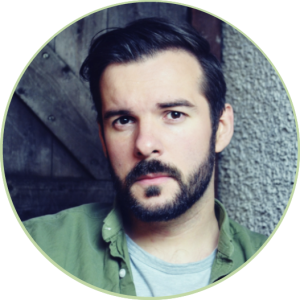
Daniel Lodge
Daniel is an Honorary Research Associate at the University of Derby. His research interests include the social construction of deviance, moral discourse within criminal justice proceedings, sex-related offences, stalking behaviours, and the experiences of individuals with autism spectrum disorder within the criminal justice system.
Jo Nulty
Jo is a Chartered Forensic Psychologist specialising in the assessment, management, and treatment of individuals who engage in stalking behaviours. She provides therapy, consultancy and risk management guidance across both custodial and community settings, working with perpetrators, survivors, and professionals involved in risk management.
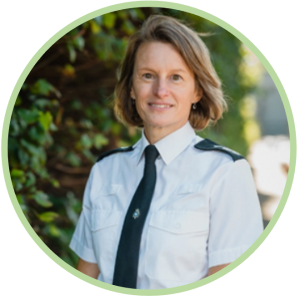
DCC Sarah Poolman
Sarah is Deputy Chief Constable for Crime and Vulnerability in South Yorkshire Police, and the NPCC lead for Stalking and Harassment. She believes that, although progress has been made within policing over recent years in understanding stalking and improving the police response, there is still much to do.
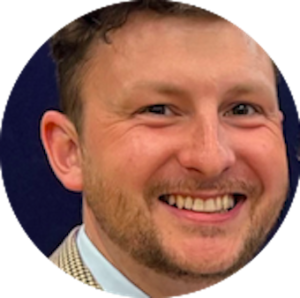
Dr Chris Rosenbrier
Chris is a Principal Applied Clinical Psychologist working in Forensic Child and Adolescent Mental Health Services (FCAMHS) for Tees, Esk and Wear Valleys NHS Foundation Trust (TEWV). He is the lead psychologist for ‘The Serious Youth Violence Project’, which provides specialist consultation, assessment, and interventions for young people engaging in high-risk offending behaviours.
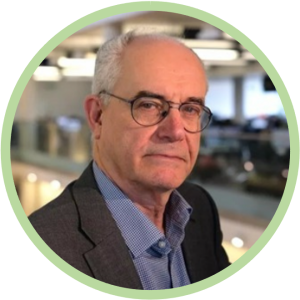
Professor Clive Ruggles
Clive is Alice’s father and a co-founder and Trustee of the Alice Ruggles Trust, having served as its Chair for nine years. Clive has spoken at numerous training and development sessions for criminal justice and healthcare professionals and plays a leading role in the Trust’s public awareness-raising and campaigning work.
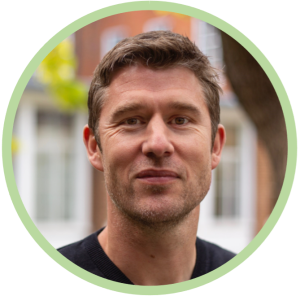
Dr Adrian Scott
Adrian is Reader in Psychology at Goldsmiths, University of London, where he serves as Co-Director of both the Forensic Psychology Unit and the accredited MSc in Forensic Psychology. His research spans several areas of forensic psychology, including stalking, image-based sexual abuse, investigative interviewing, and eyewitness testimony.
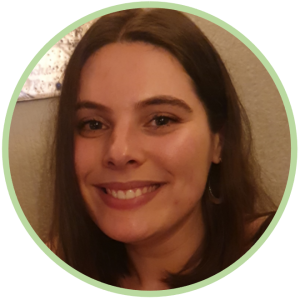
Hannah Sereni
Hannah is ‘Honour’-based Abuse and Stalking Policy Lead at the Home Office, heading up the team responsible for these national policies. A civil servant for 8 years, Hannah has worked on policies relating to drugs misuse, maternal mental health, and serious and organised crime.
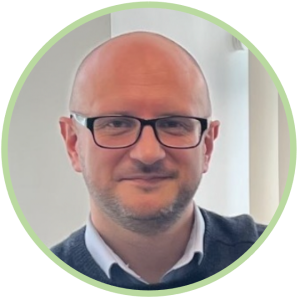
DS David Thomason
Dave leads the Harm Reduction Unit at Cheshire Constabulary, a collaborative service for managing stalking risks. With over 18 years of experience in policing stalking, he has trained thousands globally and has been awarded the inaugural College of Policing Award for Partnerships as well as the Association of Chief Police Officers’ Presidential Commendation for his work.
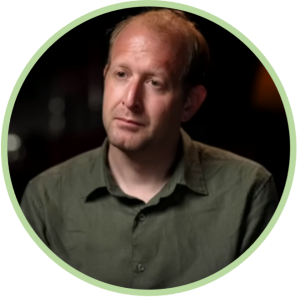
Dr Alan Underwood
Alan is the principal clinical psychologist at the Stalking Threat Assessment Centre (STAC) and the National Stalking Clinic (NSC), where he leads multiagency assessments and management of stalking behaviours. He also lectures in Forensic Mental Health at Queen Mary University, London.
Legacy ball

Here are some of the 2025 award winners