Day 4: 18 April 2026
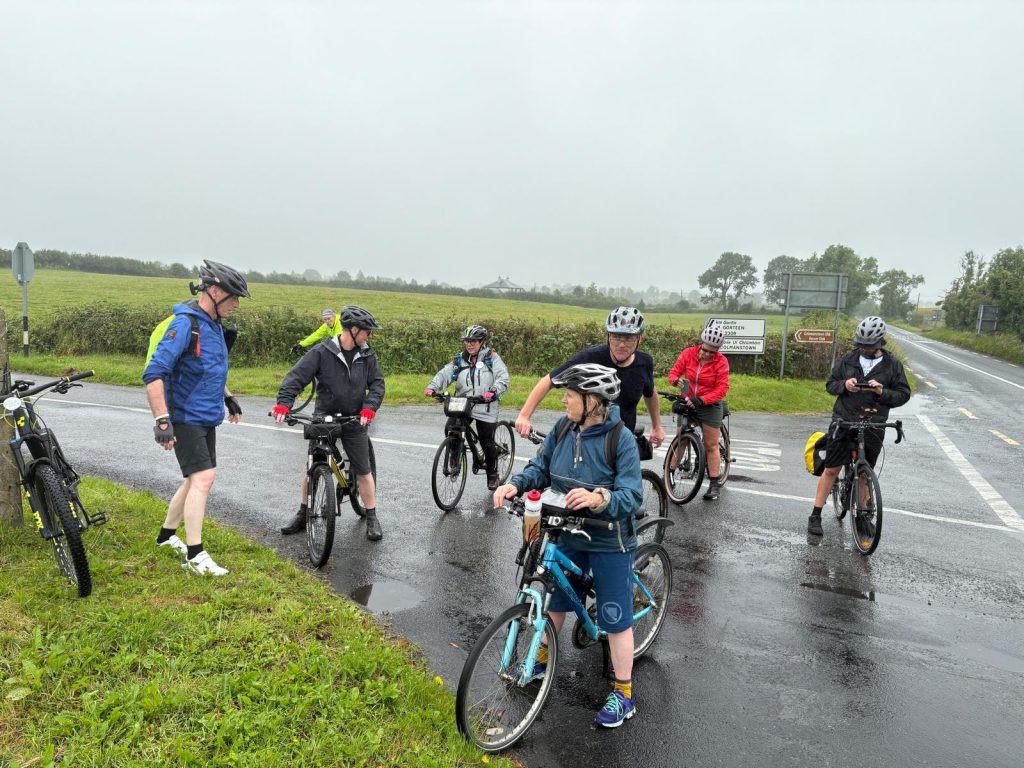
A big bike ride today (for me that is) 22 miles with 450m of ascent. It was a glorious day and an enjoyable ride. Maybe I had a few breaks on a couple of the big hills, but that’s OK. I tested out my new handlebar mounted camera, which is a bit safer than cycling one-handed with a my phone camera, but not such a good picture and terrible audio.
Alice felt very uneasy about calling the police about Dhillon’s stalking. She felt that this was a boyfriend who would not go away and was not something that the police should be bothered by. This is totally clear in her initial apologetic phone call to 101. And yet she then goes on to describe a catalogue of many hundred instances of stalking in several different guises, including a veiled death threat.
With the knowledge that I now have about stalking, I find it astonishing that she didn’t call the police earlier (and that I didn’t catch on to what was happening and advise her better). Yet at the time, we were in very regular contact, so I was fully aware and I didn’t think she had left it too late.
And that was a big part of the problem. Identification. The first “stalking incidence” was never called that and indeed it’s difficult to pinpoint that first incidence. It just seemed the ranting of a partner who didn’t want the relationship to end, and maybe the second, third and fourth too. By the tenth occurrence, it was becoming a nuisance, but he would surely get the message soon. It was also beginning to be normalised because each new incident was not much more alarming than the last, so appeared unworthy of triggering a response. In addition, the stalking that we saw discussed in the media was very much focussed on stalking of celebrities and didn’t highlight that stalking of ex-partners (the method that controlling ex-partners seek to regain control) was one of the most prevalent forms of stalking.
Alice had been brought up to be self-sufficient, to solve her own problems and not foist them onto other people. I had regularly told her that anything can be fixed and encouraged her to be independent. We both had a firm belief in the goodness of humanity, that if you treated someone well – kindly but firmly, then they would get the message. We both believed you could fix your own problems.
Seven days after Alice reported Dhillon to the police, he messaged her again, he also messaged me with a long tirade that included mildly abusive sections in capital letters. I was very unsettled by this and Alice reported him to the police again. This time, whether it was the response of the person she spoke to, or her own embarrassment at reporting a single incident as a crime, she ended up feeling that she was wasting police time. She was distraught that the police were not going to take any action and the stalking would never stop. I did not know what to say, so I told her what I really believed at the time and what I thought would be a comfort. I told her that if she continued to ignore him, then he would eventually go away. This was exactly what she wanted to hear, and I will never forget how relieved she sounded. This was a terrible mistake, it was the worst advice I possibly could have given, and it will always haunt me.
The one person who seemed to understand the seriousness of the situation was Alice’s sister. I remember her phoning me and saying that he wouldn’t “just go away”. “Mum”, she said, “Stalking – think about where the word comes from – deer stalking. What happens to the deer at the end of the stalk.” Suitably alarmed, we discussed what we could do, including going to stay with her to protect her – wouldn’t work, he’d just wait until we left; persuading her to give up her job – move house – change her name; these all felt too extreme and overreactive. I think we felt that we had some time to consider the options.
But Trimaan Dhillon was a dangerous, obsessive stalker who was triggering every red flag and just two days later he went on to murder Alice and shatter all our lives.